Four fibres
Everything here is one of four plant fibres. No synthetics in any body panel.
Each fibre page states the weight, the origin, the dye position and the specific ways that fibre disappoints people. Read the limitation before the product, not after.
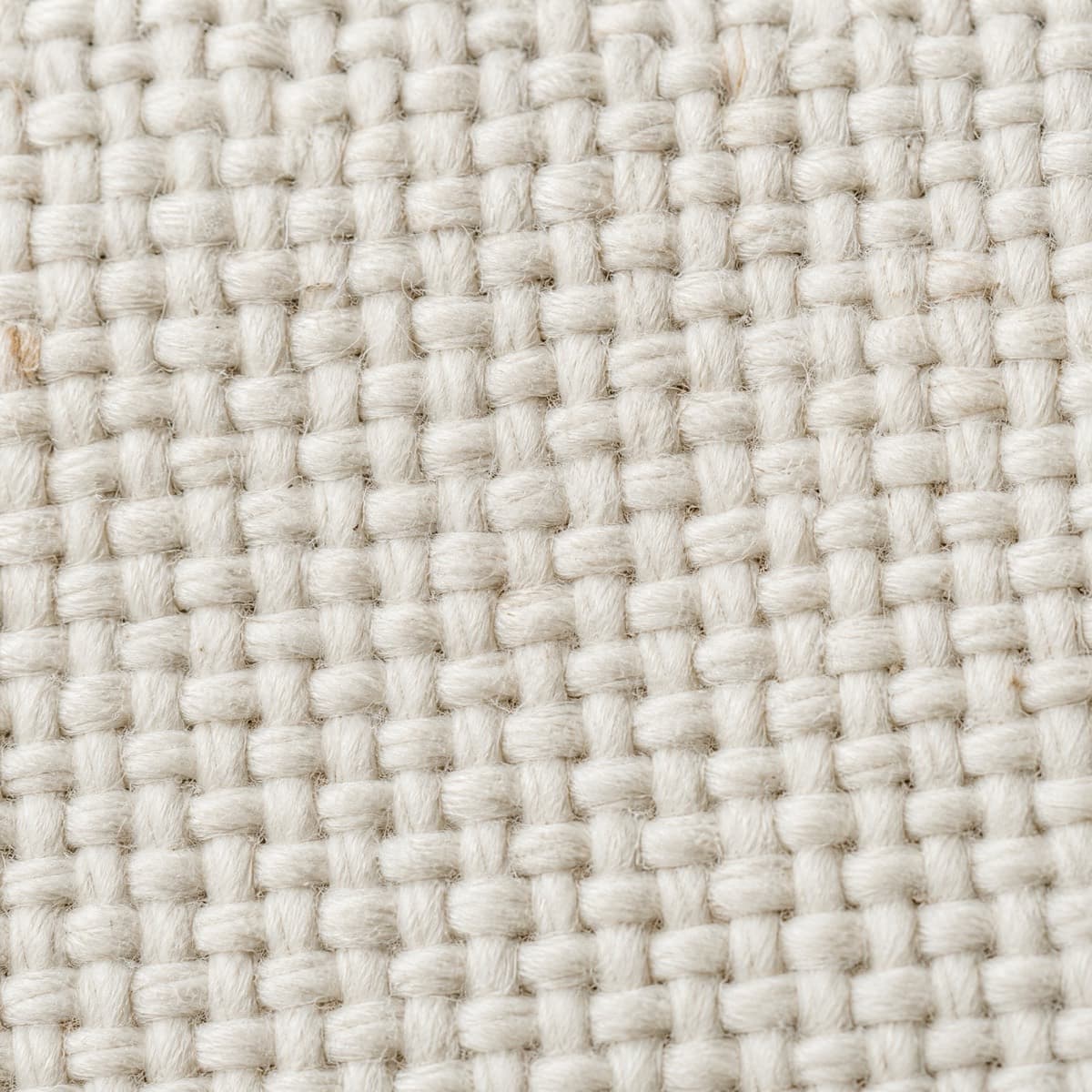
Line A · 17 bags
Cotton Canvas
12 oz and 18 oz · Woven in Gujarat, India
Cotton canvas is the plainest thing we make. Two weights: 12 oz for bags meant to fold away, 18 oz for bags meant to stand up on their own. The heavier the weave, the more it behaves like a box and the less it behaves like cloth.
Undyed canvas yellows in sunlight over months.
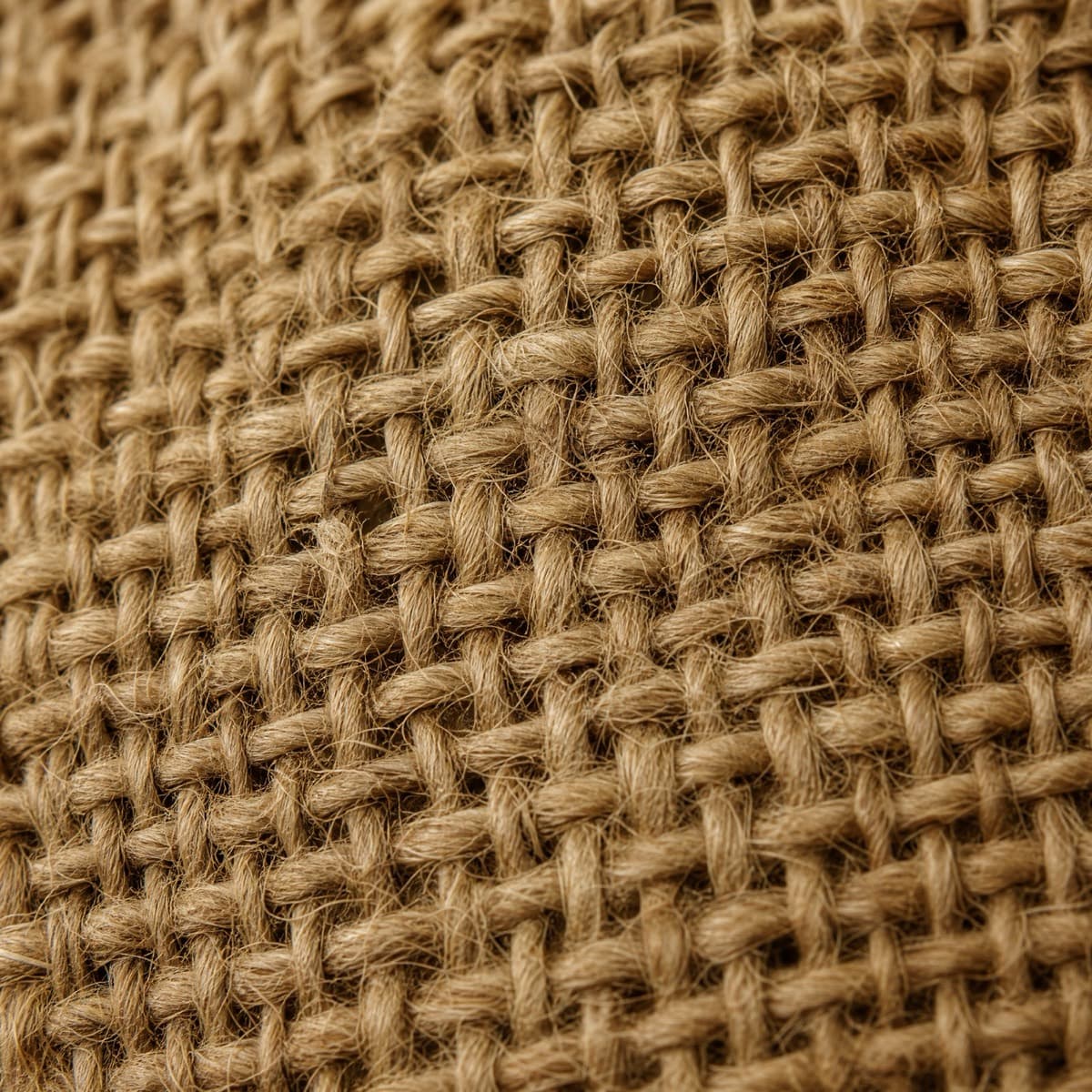
Line B · 14 bags
Jute
Coarse woven · Woven in West Bengal, India
Jute is the coarsest fibre on this site and the cheapest. It is a bast fibre, stiff enough to hold a shape without any structure sewn in. It also sheds, smells faintly of plant matter when new, and never weaves evenly. All three are the fibre, not the workshop.
Unlined jute sheds fibres for the first few uses.
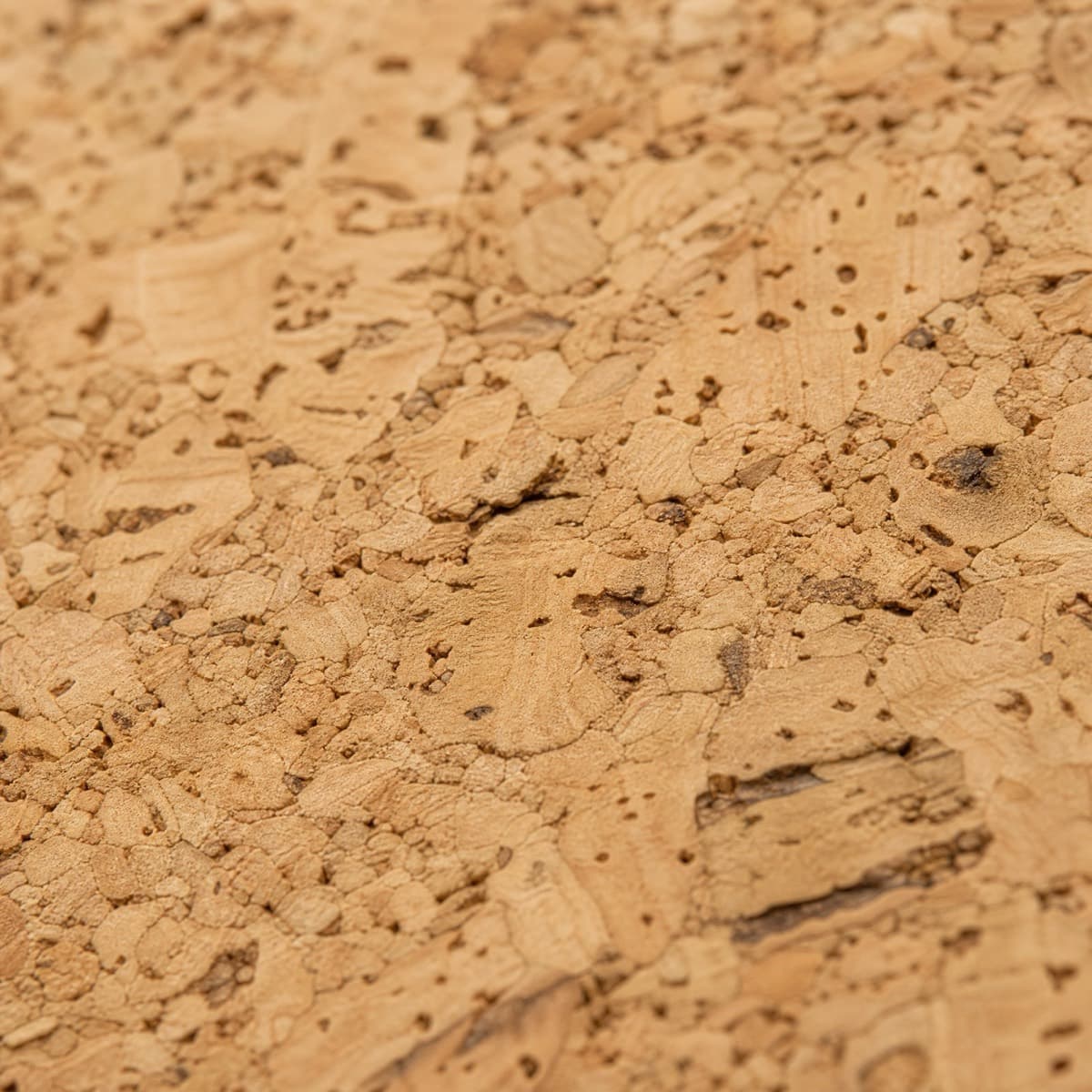
Line C · 15 bags
Cork
0.6 mm cork fabric · Harvested and backed in Alentejo, Portugal
Cork fabric is bark shaved thin and bonded to a woven cotton backing. It is the lightest material here per square metre and the only one that wipes clean with a damp cloth. It is also the only one that will hold a mark if you let it sit in water.
Cork spots if soaked. Wipe it, never submerge it.
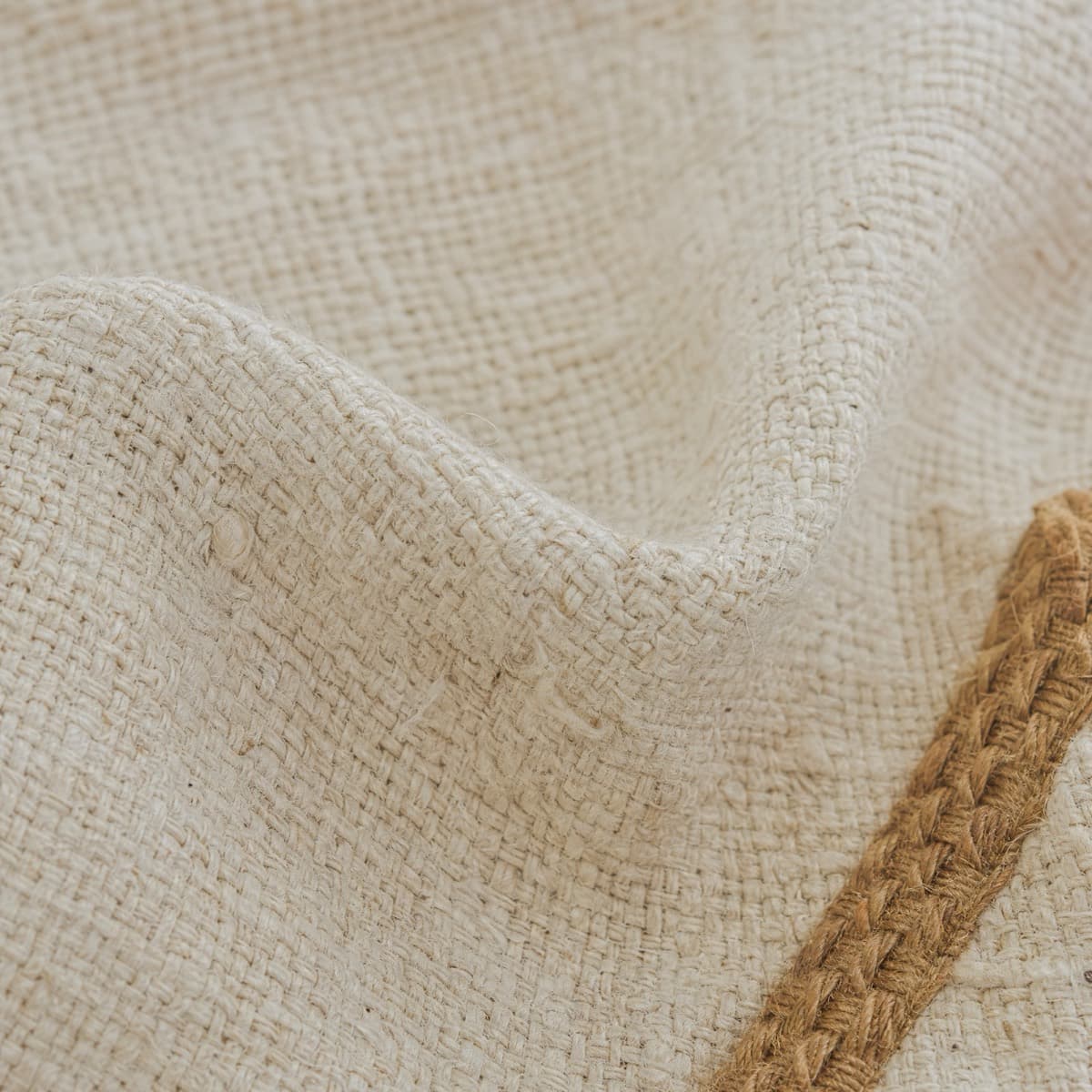
Line D · 14 bags
Linen
Plain weave and linen blends · Woven in Kaunas, Lithuania
Linen is flax, spun and woven plain. It is the thinnest fibre we use and the one that packs down smallest. It creases immediately, shrinks a little the first time it gets wet, and carries slubs where the flax was thicker. None of that is fixable, so we price it accordingly.
Linen creases. That is the fibre, not a defect.
All four have a trait somebody hates.
The Fibre Picker asks which of those traits you cannot live with, then rules fibres out and tells you which answer ruled each one out.
Open the Fibre Picker